
Bakery Market Report
2025
Brought to you by


In partnership with




Welcome to the Bakery Market Report 2025. It’s got everything you need to know about the top 75 players in the out-of-home bakery market, from behemoths such as Costa, Greggs, and Subway, to those building their estates at pace such as Gail’s, and up-and-coming firms like Buns from Home and Cavan Bakery.
It’s a mixed bag in terms of performance this year. Some have been brazen about their growth ambitions and been fortunate enough to fulfil them, while others have struggled to keep up against strong headwinds of rising costs and an increasingly competitive market.
The market is overall proving to be resilient, but operators will likely have to adapt their offering and pay even closer attention to their customers’ needs if they want to remain in growth.
Methodology
The Bakery Market Report is the annual authoritative tracker of the top companies that sell baked goods as a primary element of their food offering, benchmarked by the number of sites they have as of 1 January 2025. They operate in a non-supermarket retail, food-to-go, or eat-in format. The information offered in this report is sourced directly from the firms where possible, as well as financial reports, company websites, and Lumina Intelligence, and is correct as of April 2025. It was compiled and written by Amy North, Anne Bruce, and Karen Bamford.


State of the nation
It’s tough out there. Rising ingredients and energy costs, staff shortages, changes to National Insurance, business rates and minimum wage are among the challenges firms are up against.
“Bakery operators are facing a perfect storm of challenges in 2025,” believes Kluman & Balter managing director Lawrence Watson. “At the same time, consumer spending is under strain due to the cost-of-living crisis, and the high street remains a tough trading environment.”
Tough but not hopeless. And, so far, the bakery market has shown itself to be resilient, particularly in the food to go arena. The UK food-to-go market is forecast to turnover £24bn in 2025, representing growth of 3.3% and outpacing the overall eating out market which is expecting growth of 2.5% [Lumina Intelligence UK Food to Go Market Report 2025].
Sandwich & bakery is among the sectors driving this with anticipated growth of 3.8% taking its value to £3.8bn in 2025 and marking a 13.5% growth since 2019. Coffee shops & cafes is also performing well with expected growth of 4.5% taking its sales to £2.2bn (18% up on 2019’s figures).
Some of this is thanks to estate expansion with coffee shops and sandwich & bakery forecast to contribute significantly to an extra 1,000 outlets a year in food to go. City centre and transport hub offerings (including kiosk-style operations) and larger drive-thru sites will be a focus for growth, according to Lumina, even if the rate of growth is slower than it has been in previous years.
This can be seen in the Bakery Market Report data. The 2024 report listed 13,488 sites while the 2025 version has 13,910 – an increase of 422. Not all of this is down to new openings. The changing nature of the market and continual blurring of lines between what is classed as a bakery operator has seen dessert parlours added to the list for the first time with Creams Café, Kaspa’s Desserts, and Little Dessert Shop accounting for nearly half of these new additions (228 in total). Thirty-six of the existing businesses on the list added to their estate, with growth varying from one net new site to 144, while 17 businesses reduced their portfolio. Notably, this number doesn’t include the firms which dropped off the list altogether due to shop or business closures (more on that below).
“There will always be a critical mass for any market, but it’s apparent that the big brands are still investing heavily to increase the number of options available for shoppers,” notes Baker & Baker’s head of category management Stuart Galbraith. “Given the continued evolution of formats and touchpoints, no-one has yet reached the optimum position and as the markets and options continue to evolve, so does the opportunity for those prepared to chase and compete.”

Strategies at play
So how can operators keep up and succeed in the fast-paced market?
“Competition in the bakery sector is at an all-time high. To stay ahead, brands must go beyond traditional bakery staples and rethink how they engage customers,” advises Helen Bowyer, commercial director at The Compleat Food Group, which owns Wrights.
Consumers are shifting from restaurants to bakery and coffee shop experiences, she highlights, as they provide convenience as well as affordable, high quality food experiences. “A key shift is in the way bakeries are viewed – as social spaces rather than just grab-and-go outlets,” Bowyer adds. “With 25% of 18 to 25-year-olds now avoiding alcohol, bakeries and coffee shops are replacing pubs as daytime meeting spots, offering an informal but appealing alternative.”
Lunch has ‘bounced back’, according to Lumina Intelligence, accounting for nearly a third of all food-to-go occasions with high streets and city centres experiencing the greatest footfall growth.
“Premiumisation is reshaping lunch offerings, with consumers seeking higher-quality, more indulgent bakery items that deliver on both taste and value,” explains Stéphanie Brillouet, marketing director at Délifrance. “This has led to increased demand for premium sandwiches, hand-crafted breads, and freshly baked savoury pastries that offer a more satisfying midday meal.”
Lunch also represents a significant occasion of competition between out-of-home operators and supermarkets who lean into meal deals with a sandwich, snack, and drink coming in around £5. However, Galbraith at Baker & Baker warns that out-of-home operators should play to their strengths instead. “Operators that try to closely mirror retailers’ offerings may come unstuck – they need to provide consumers a different experience and a reason to visit,” he says.
Birds Bakery, which operates 61 stores across the East Midlands, sought to focus on the BLT in 2024. Not bacon, lettuce, and tomato but rather breakfast, lunch, and treat. “We expanded our lunch menu and extended our opening hours, including introducing Sunday trading in some stores. This not only gave customers more opportunities to enjoy our products but also supported the revitalisation of local high streets,” says joint managing director Jamie Bird.
The real opportunities, Bowyer adds, come from broadening a bakery’s daily routines, particularly in breakfast and evening occasions by offering more hot food and meal solutions. It’s something Greggs has succeeded with thanks to an increasing range of hot food, such as pizzas and chicken burgers, as well as deals to drive uptake of them.
There’s a lot for operators to balance – experience, convenience, quality, value for money and more. As such, it is likely that firms will diversify their portfolios to keep up.
“Traditional brick-and-mortar stores will remain a core part of the market, but multi-channel expansion will become essential for growth,” believes Brillouet. She points to the rise of click & collect and delivery services which allow “consumers to enjoy high-quality baked goods with greater flexibility” as well as the rise of the drive-thru format, and even vending machines which add “a new dimension to convenience”. Partnerships with retailers – such as the collaboration between Waitrose and Gail’s – are also offering alternative ways for bakeries to reach new audiences.


Who’s in and who’s out?
Thirty-six of the 75 businesses listed as part of the Bakery Market Report grew their estates in 2024, while 17 decreased. Difficult trading conditions saw several well-established businesses close their doors (although in certain cases some sites were rescued). As such, there has been a bit of a shake-up with plenty of new entrants and a few falling out. Here are some of the highlights:
Out: Oddie’s
After 120 years in business, fourth-generation family-run bakery W.H. Oddies Ltd closed all 13 of its shops and its central bakery in Nelson in mid-January with the bakery assets at the Nelson site sent to auction shortly after. The Oddie’s name won’t disappear completely though – Lancashire-based bakery chain Waterfields has reopened seven of the shops and is working closely with director Lara Oddie to preserve the ‘longstanding reputation for friendly service and beloved baked goods’.
Out: Doughnut Time
Doughnut Time has exited the report and the UK, although it is hoping to return to these shores soon as it is on the hunt for franchise partners for a relaunch. The brand’s next chapter will focus on an innovative dessert menu that combines gourmet coffee, in-store production, and a premium gifting experience, according to CEO Damian Griffiths.
In: Rodeo Doughnuts

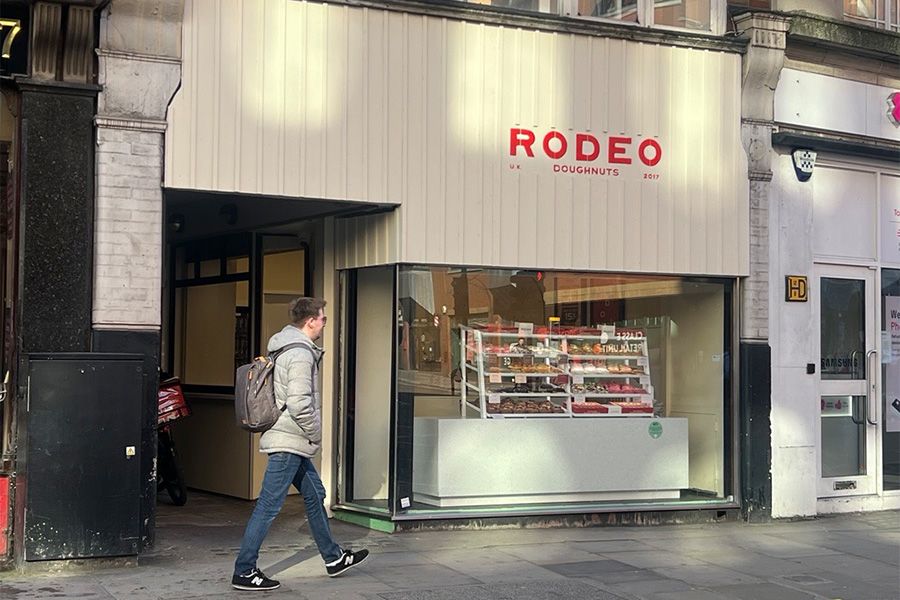
Rodeo Doughnuts has replaced Doughnut Time on the list after franchise operator Doughnut Time Germany acquired the rights for the UK brand. The existing sites were rebranded to Rodeo Doughnuts which continues to serve up loaded doughnuts to its loyal fanbase through retail sites and a D2C website.
Out: Crêpeaffaire
Crêpeaffaire was rescued from administration in a pre-pack deal for £149k at the start of the year. The deal saw seven of Crêpeaffaire’s nine company-owned retail sites sold to Crepe Trading in a move that secured 66 jobs. The sites are Brighton, Bromley, Cambridge, Islington, Leeds, Newcastle, and St Albans. Outlets in Chester and Westfield shopping centre in London, meanwhile, were closed. The franchise business was sold separately and has transferred to Crepe Union. Notably, Crêpeaffaire directors Allen Kerslake and Daniel Spinath are also the directors and shareholders of Crepe Trading and Crepe Union, respectively.
In: Malcolm Barnecutt Bakery
Cornish business Malcolm Barnecutt has operated for over 90 years with the fourth generation of the family at the helm. It made the list for the first time after opening its largest ever shop in Wadebridge taking its estate to 14 shops across the county and one over the border in Plymouth.
Out: North Eastern Bakeries
North Eastern Bakeries was formed after Cooplands Direct went into administration in March 2023, but it appears the business continued to struggle after it was bought out by former owner Angus Steel in June of that year. The current picture is decidedly unclear – British Baker reached out via email to Steel and phoned every one of its shops listed on Google but heard nothing back. A Doncaster local paper reported in January that most of its shops were shuttered, while a compulsory strike-off notice was filed on Companies House (although this has since been suspended).
In: Reeve the Baker

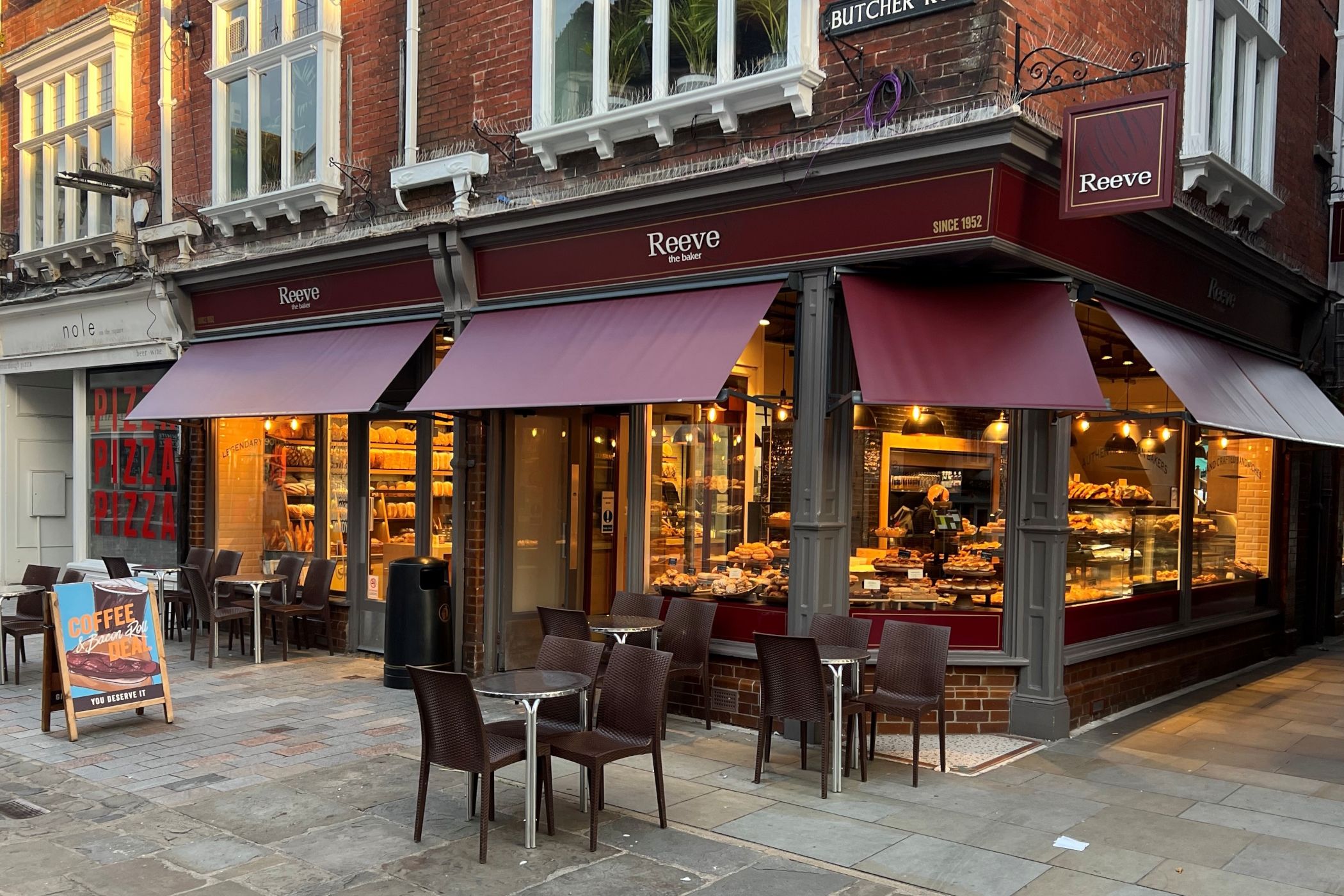
From its central bakery in Wilton, Reeve the Baker delivers to its 13 shops across Wiltshire, Dorset, and Hampshire. The third-generation family-run bakery was founded in 1952 and has grown steadily over the years. Having opened a site in Wimborne in Dorset last autumn, it has finally made its way onto the Bakery Market Report.
Out: Hadfields the Bakery
An administrator was appointed to Huddersfield-based Hadfields the Bakery, renamed The Bakery People, in September 2023 and the business was subsequently wound up in late 2024. Prior to this, it operated 13 shops and one central bakery which produced loaves, rolls, savouries, and sweet items for its outlets as well as wholesale customers.
In: Cinnabon
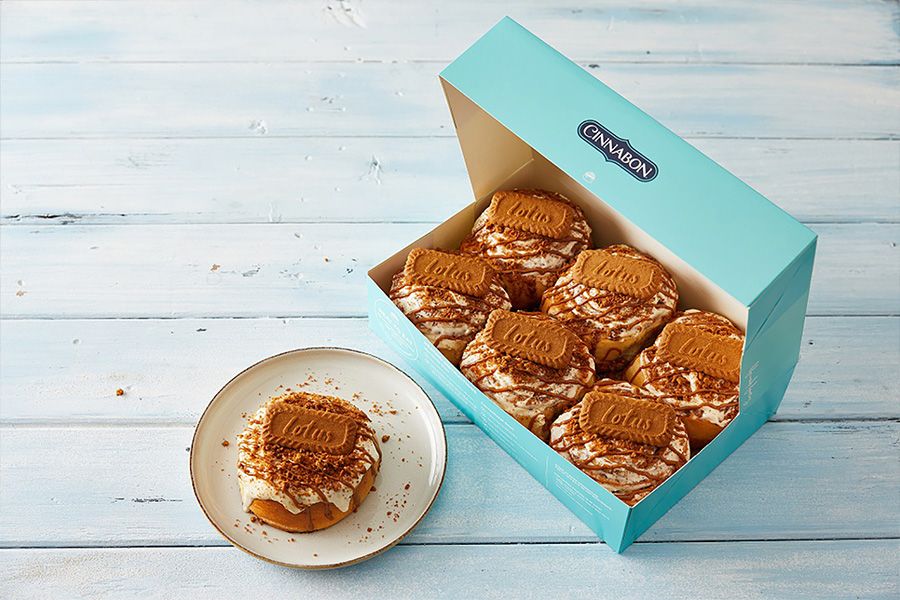
Cinnabon temporarily disappeared from the report in 2024 having restructured its estate which saw 13 sites close. Since then, it has been focusing on stores and kiosks in high footfall locations. Master franchisee EG On The Move was true to its word with sites unveiled in Birmingham, West Lothian, and London over the past year.
In: Creams Café
Creams is one of three dessert parlours to be added to the list this year, not because of significant estate expansion but in recognition of this type of business’ offer which has tipped away from just gelato to include waffles, cakes, doughnuts, cookies, and more.
Out: Crosstown
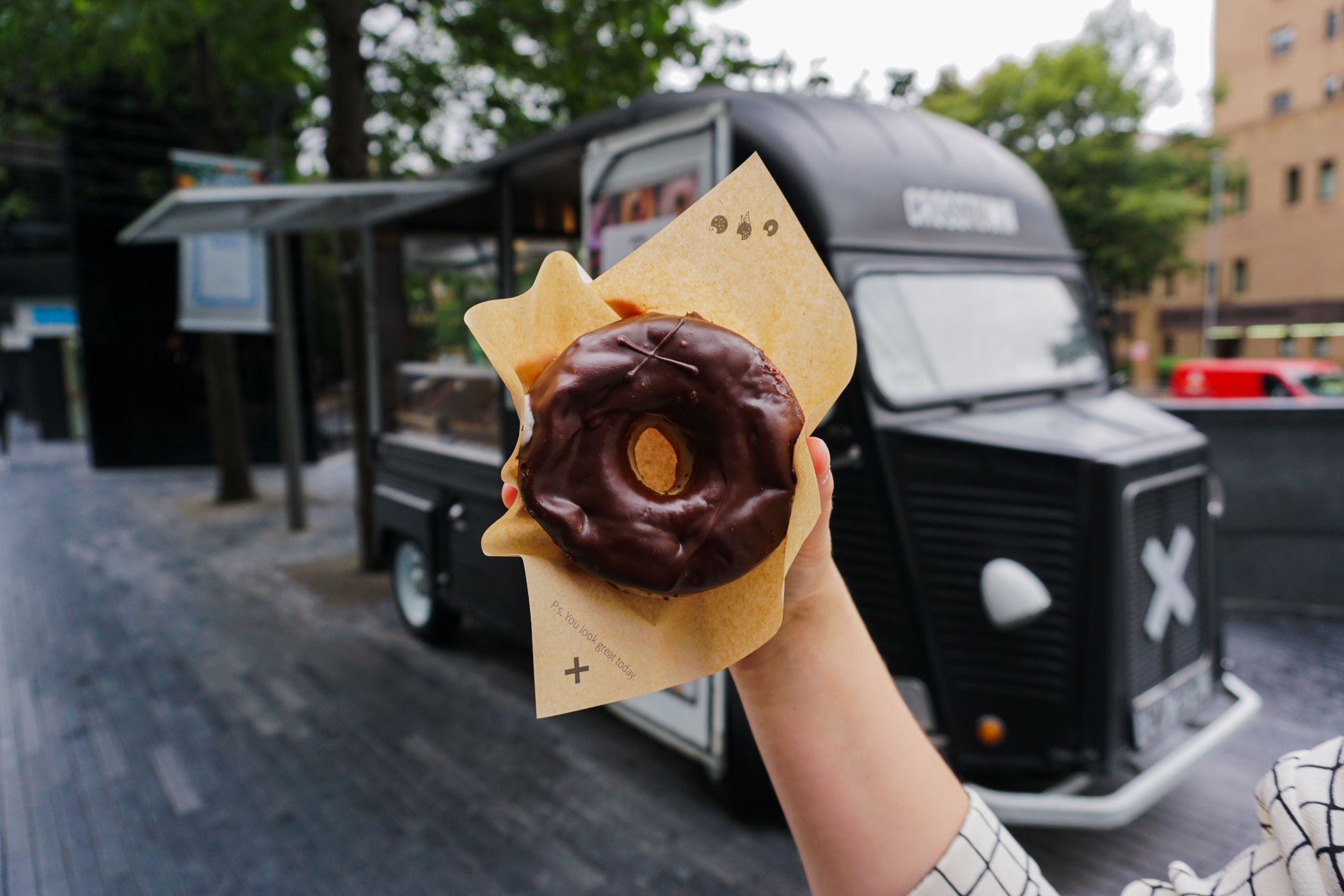
Crosstown has just missed the cut off this year with 12 sites. The firm was acquired by franchise operator Karali Snacks Ltd as part of a pre-pack administration deal in the summer of 2024 which saw 27 of its locations (including stores, market stalls, kiosks, and trucks) transfer to the new owners. Three sites – in Bath, Bristol, and just off Fenchurch Street in London – were not included and subsequently closed. It seems the new owner has trimmed the estate further with 21 sites now in operation (including two trucks and seven market stalls which are not included in the 12 sites listed above). It did, however, secure its first supermarket listing with Waitrose and also revamped its menu with new doughnuts and sweet pastries.









Fastest growing businesses
Ranked by the number of net new sites opened in 2024
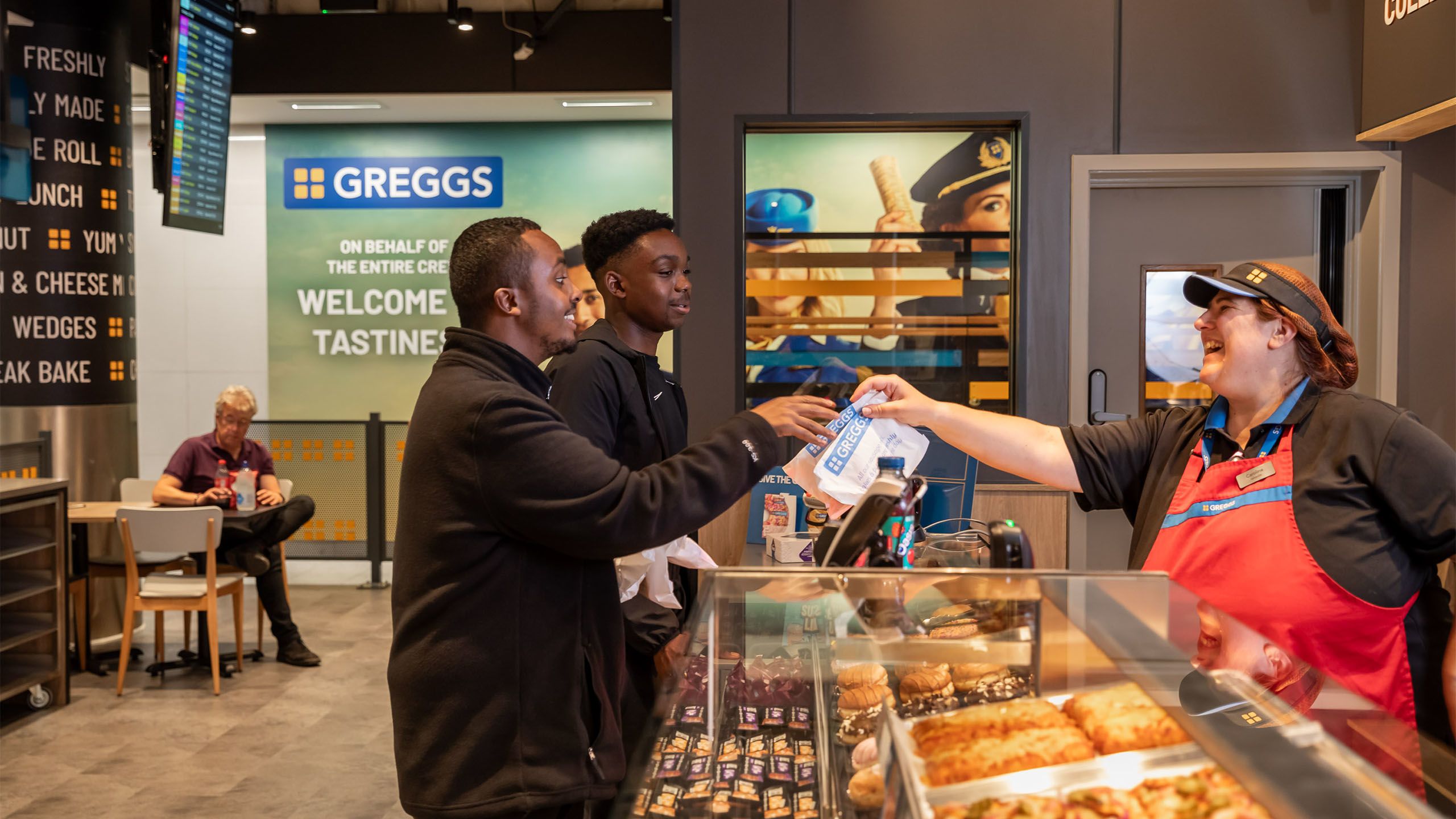
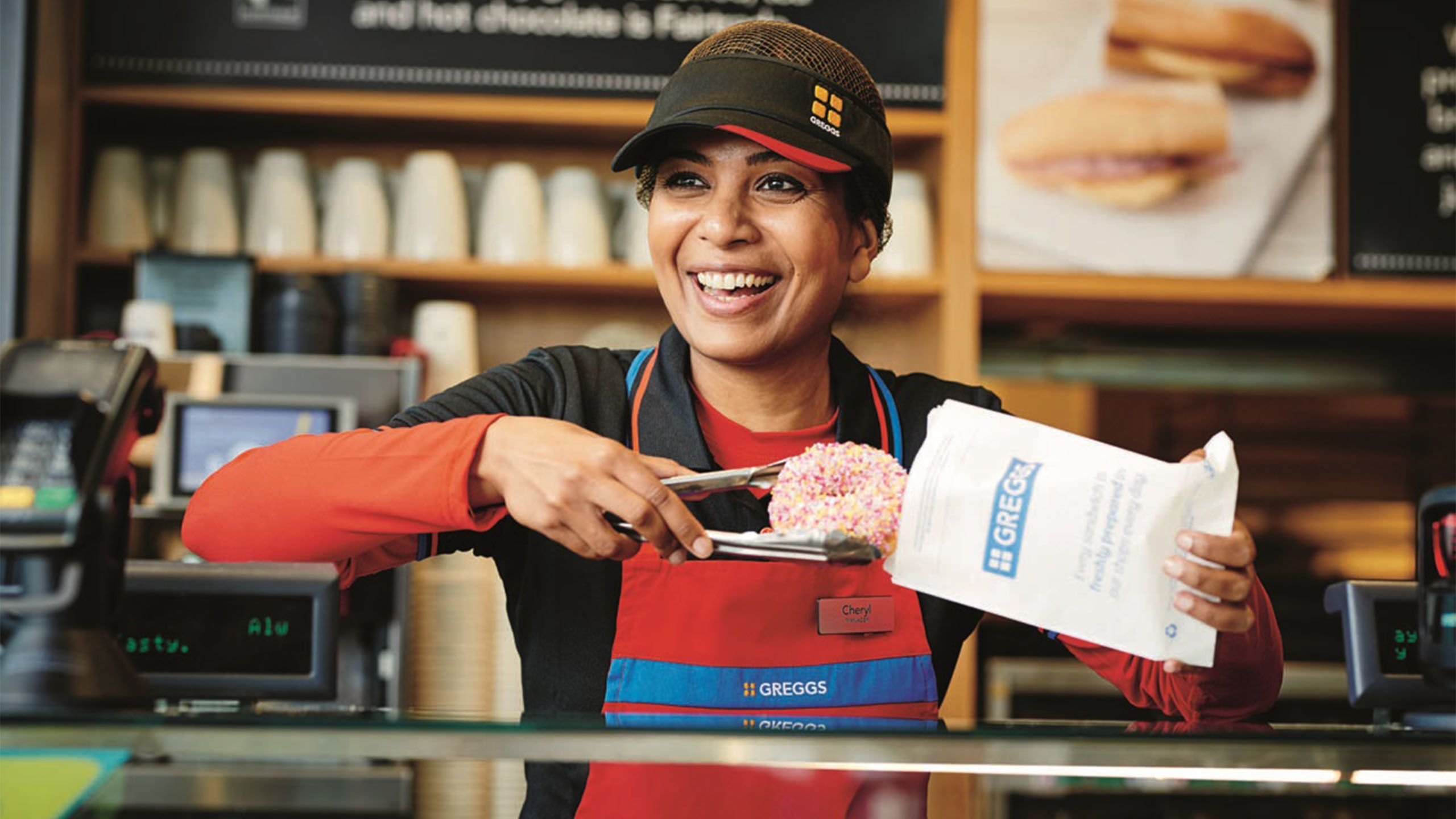
Greggs
+144 sites (+5.8%)
Starbucks
+116 sites (+10%)
The Nero Group
+41 sites (+5.4%)
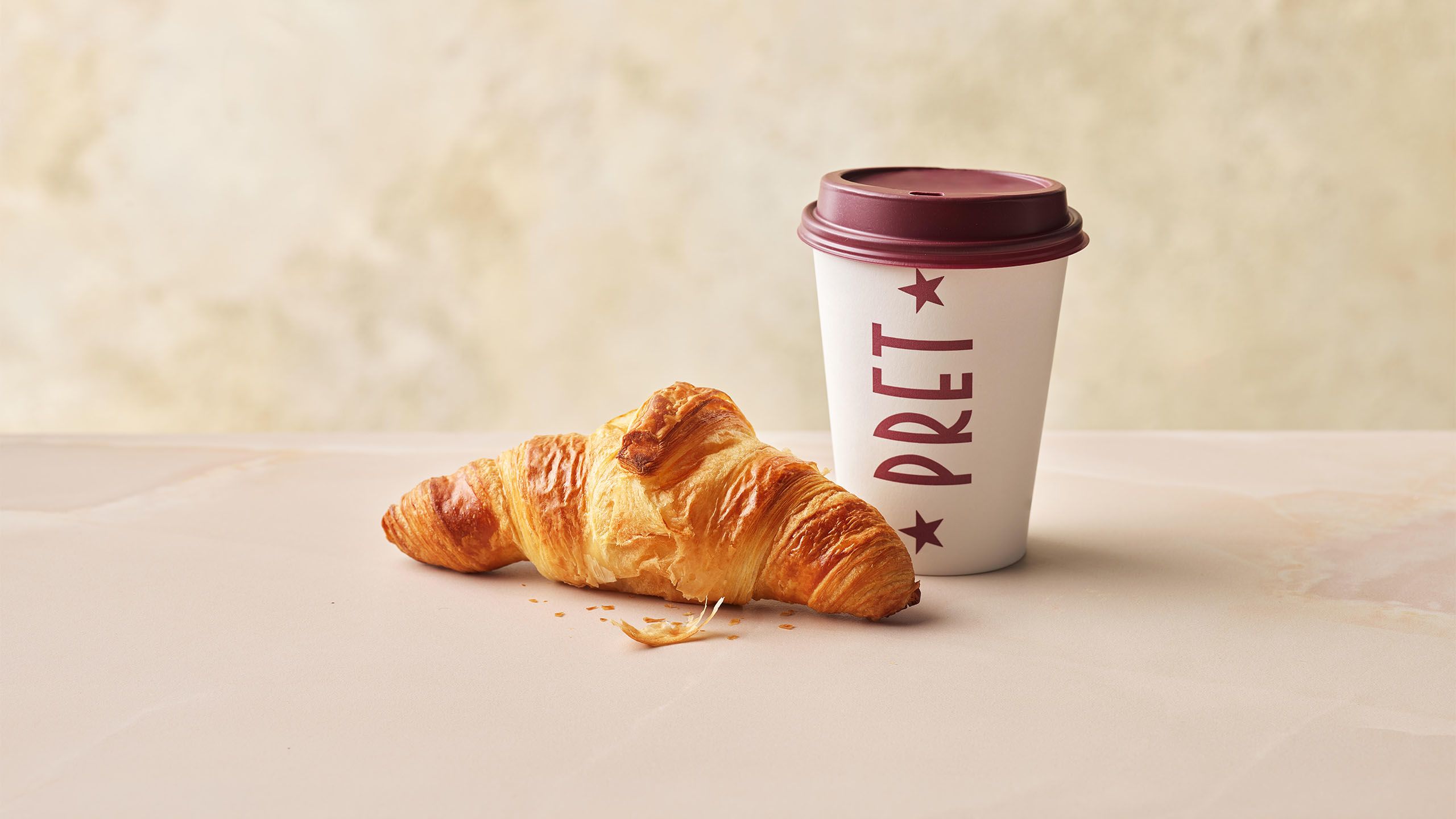
Pret A Manger
+30 sites (+6.5%)
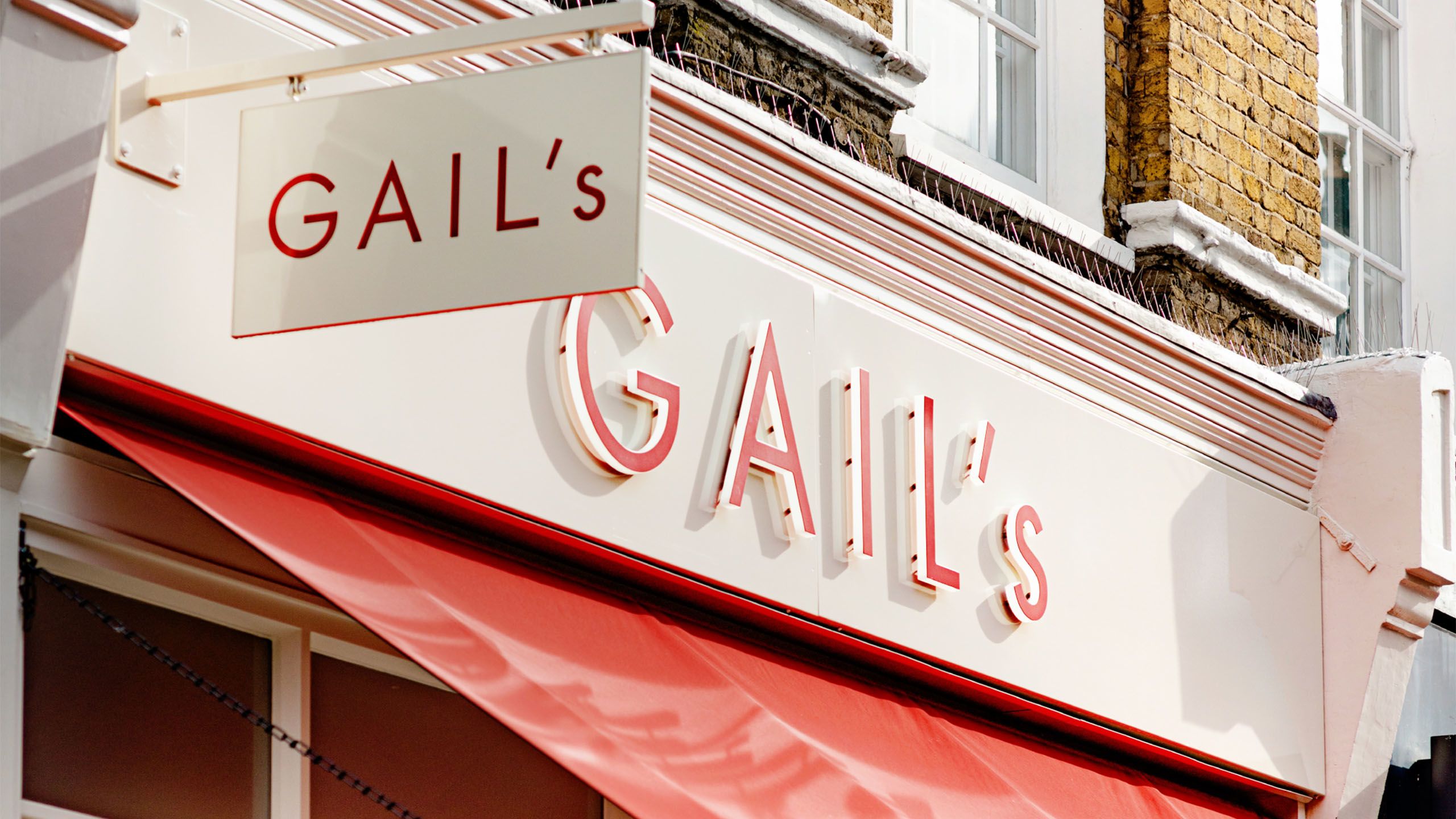
Gail’s
+26 sites (+20.2%)
Cake Box
+22 sites (+10.1%)
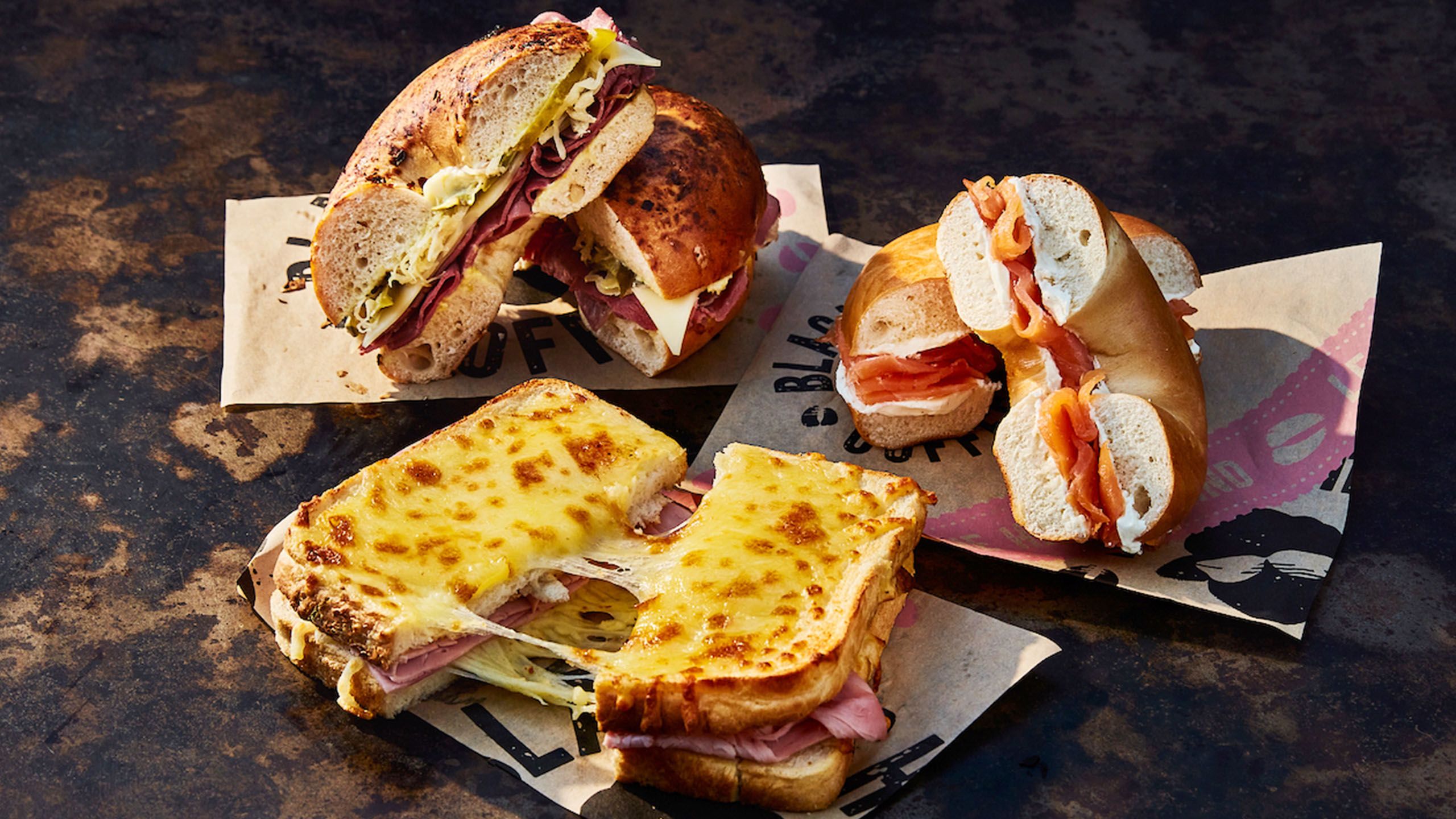
Black Sheep Coffee
+22 sites (+27.8%)
Sweeten the deal
Value has always been important for consumers but truly comes to the fore in a market where ingredients, wages, and more are rising, leading to an inevitable increase for shoppers.
Outlets must have value-driven offers, insists Samantha Winsor, marketing manager at Schulstad Bakery Solutions. “These often include upselling, but at a price that customers see as good value,” she explains and can be in the form of “drink-and-food combos, meal deals that cover off various consumption occasions such as breakfast, or last-minute-add-ons displayed at the till point”.
Costa, for example, has breakfast and lunch deals which see customers get a breakfast bap, coffee, and orange or apple juice from £6.99 in the morning and a toastie and coffee from £5.99. Greggs, meanwhile, is targeting the afternoon and evening occasion by offering a slice of pizza and a drink from £2.85 after 4pm.
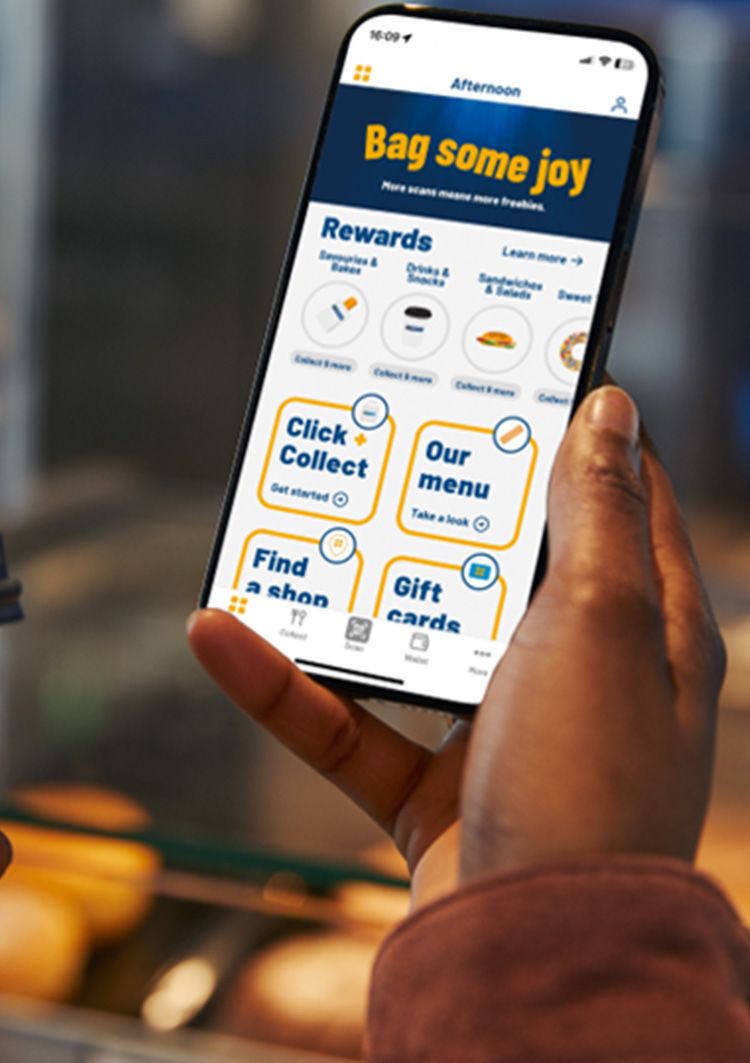
Some of these deals come through loyalty schemes, often serviced via an app. This allows the operators to better understand its customers thanks to the data received as part of the sign-up process but also create curated or personalised offers for users. Greggs is among those to give a free hot drink as a reward for signing up to the app as well as regular freebies for existing users.
“As loyalty schemes and offers become more sophisticated, larger operators are using them as a point of difference to lock in their shopper and keep them brand loyal. No need to go elsewhere: come to the retailer you trust, for a guaranteed level of quality at the right price. Big brands are masters of communicating and pushing their offers – a key advantage,” explains Baker & Baker’s head of category management Stuart Galbraith.
The independents can still compete though. “Their schemes may not be as sophisticated and are based on a straightforward rewards mechanism, but they can offer a level of simple interactivity that will appeal to a cross section of shoppers who prefer the local business approach,” he adds.
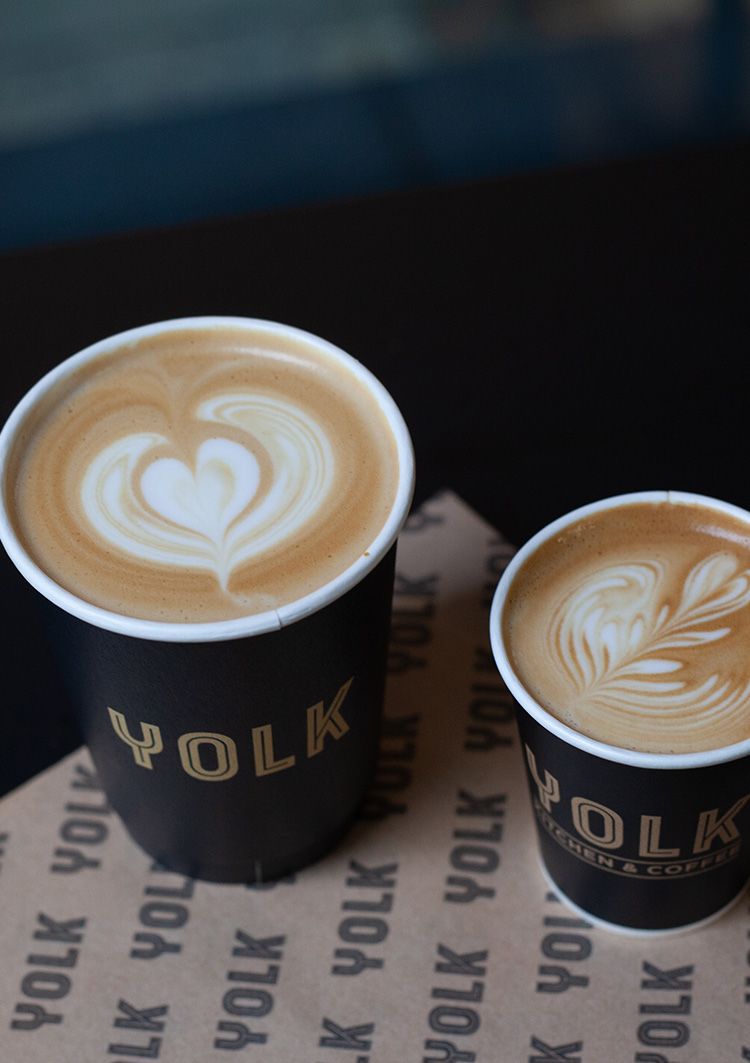
Coffee is one area where the competition is brewing. Having tweaked its Club Pret offer a few times in recent years, Pret finally settled on a subscription price of £5 per month which allows users to get 50% off up to five barista made drinks every day. London fast-food chain Yolk, meanwhile, unveiled a three-tier membership offer. Called Yolk Brew Club, it comprises the free BasicBrew tier (every tenth barista-made drink is free), the £10-per-month ClassicBrew tier (50% off all barista-made drinks, plus double loyalty points after 2pm) and the £40-per-month PremierBrew (three free barista-made drinks per day, plus double loyalty points all day every day).



Tapping into trends
Health and indulgence remain two of the key drivers for bakery.
“Consumers range from those looking for indulgent treats to seeking ‘better-for-you’ bakes, such as high-protein and fibre options,” says Lawrence Watson, MD of Kluman & Balter. “Striking the right balance between maintaining loyalty with well-loved favourites and driving excitement through innovation, whether in flavour combinations or presentation, is key to encouraging spend.”
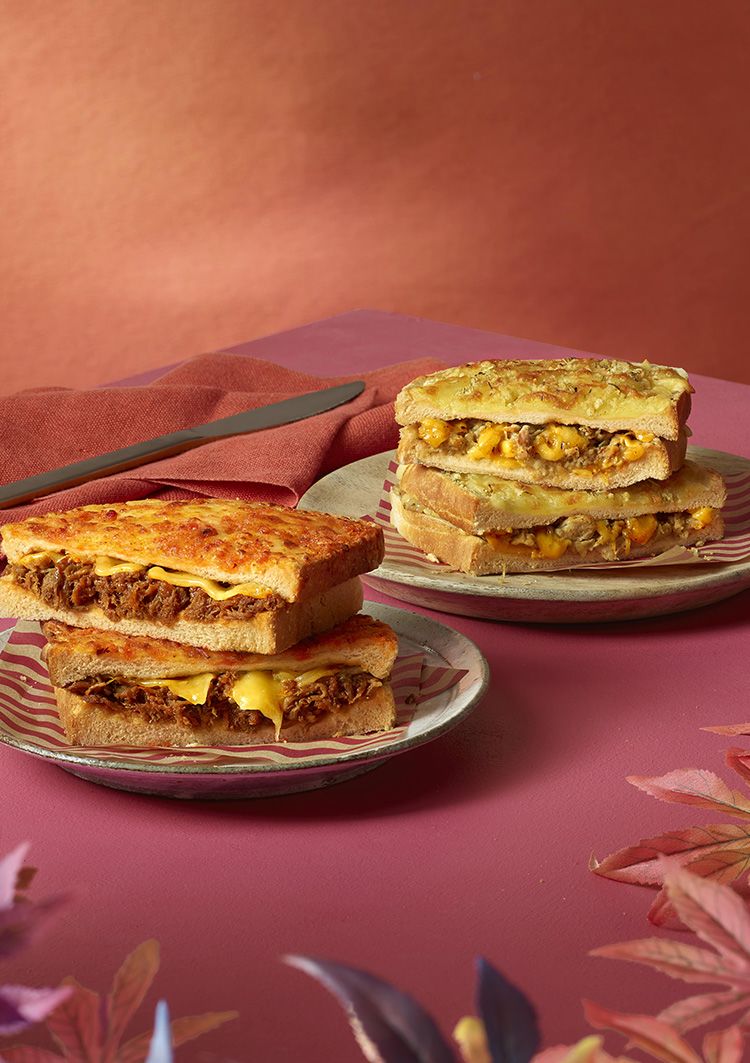
Seasonal menus are big in bakery and the out-of-home market is no different with many of the big players embracing the changing of the weather with appropriate NPD. Think chilli cheese toasties for winter, zingy lemon cakes for summer, and pumpkin spiced everything for autumn.
On the health side, many operators are offering non bakery items as a means of meeting consumer needs. Pret, for example, added mindful breakfast bowls to its line-up featuring ingredients such as matcha, blueberry, and acai.
“Health is now more important to consumers than it was pre-cost-of-living crisis and is informing consumer choice and operator innovation. Operators should ensure they have healthy options on menus which prioritise less processed and vegetable forwards credentials to allow consumers to make healthier choices in the every day,” according to Lumina Intelligence.
At the other end of the scale, treating remains a top consumption occasion in out of home bakery, something the market is primed and ready for thanks to the prevalence of grab-and-go sweet bakes.
Buns in many guises have grown in popularity over the past year from Maritozzi buns at Caffe Nero to cinnamon buns at Birds Bakery (see NPD panel below). Samantha Winsor, marketing manager at Schulstad Bakery Solutions, points to the rise of Nordic and Scandinavian inspired bakery as one reason for this. She singles out the cardamom bun in particular.
“Popular in Sweden for centuries, the traditional Scandinavian sweet treat made with a thick but soft cardamom dough is a favourite for fika, the Swedish lifestyle ritual of enjoying a coffee and pastry break with others,” she says. “Twisted into little knots, buns or rolls, the authentic Swedish novelty is easy to eat on the go, has less fat and is being seen more and more across bakeries in the UK, appealing to customers who will readily tap into the fika lifestyle.”
Danish bakery Ole & Steen has embraced this, adding a cardamom bun to its menu last autumn. It also celebrated the Nordic carnival of Fastelavn with a trio of limited-edition cream-filled buns in mocha, raspberry, and vanilla variants earlier this year (pictured).
A closer look at bakery NPD
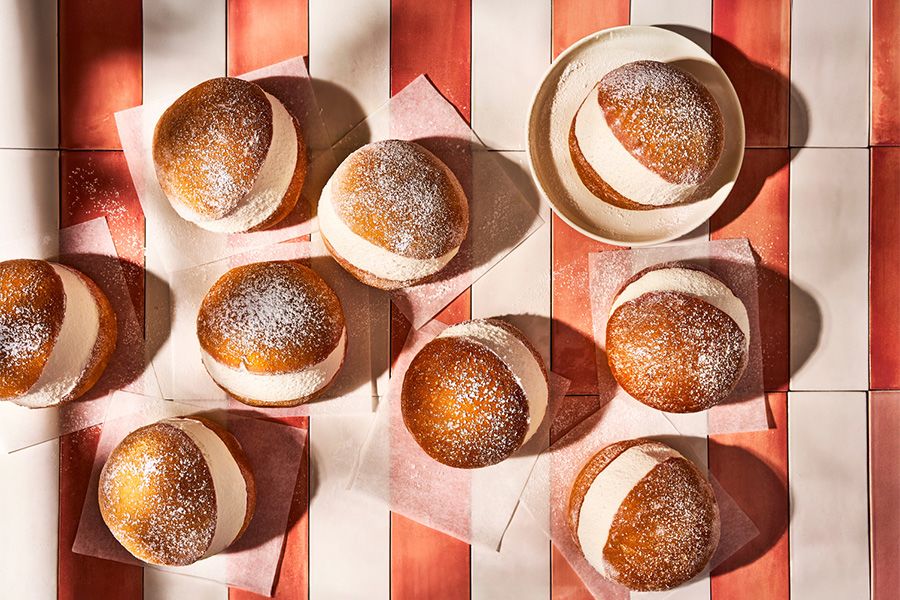
Maritozzi Buns,
Caffè Nero
Caffè Nero embraced its Italian heritage by adding Maritozzi Buns to its summer 2024 menu. Described as the ‘star of Italian breakfasts’, it consists of a soft sourdough brioche – made using a sourdough that is over 35 years old and proved for more than eight hours – infused with lemon and orange. The bun is then filled with a sweetened cream and dusted with icing sugar. It was highlighted as part of successful menu innovation which helped drive an 11.4% increase in revenue for the business.
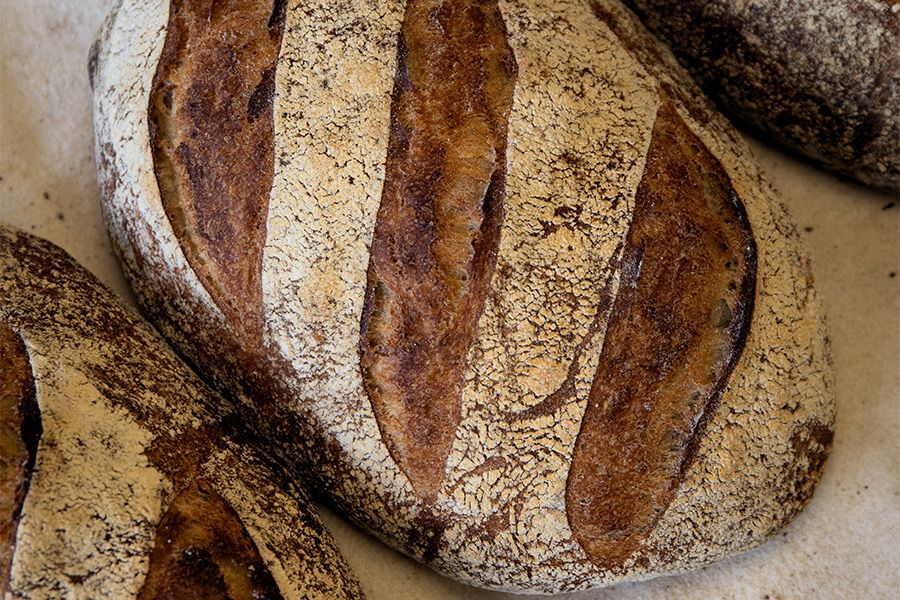
San Francisco Sourdough, Gail’s
Gail’s has sought to improve the flavour and nutrition of its loaves by diversifying the grains used in its bestselling products, including the Baguette, Ciabatta, and Waste-Less Sourdough. The San Francisco Sourdough is among the recipes to be given a makeover. Yoghurt and milk have been removed while semolina, rye, spelt, and emmer flour have been added. Gail’s said the loaf as a reimagined homage to the iconic San Fran sourdough bread culture, balancing traditional attributes with modern baking.

Cinnamon Buns,
Birds Bakery
Innovation doesn’t have to mean reinventing the wheel as Birds Bakery has proven with its cinnamon buns. The East Midlands bakery chain said the NPD was a ‘long time in the baking’ and has been redeveloped since it was first launched in the summer. The latest iteration is made with a flaky, buttery croissant pastry and topped with a cinnamon icing. “The new cinnamon bun represents our dedication to crafting high-quality products that resonate with our customers,” commented, director of strategy Jamie Bird.
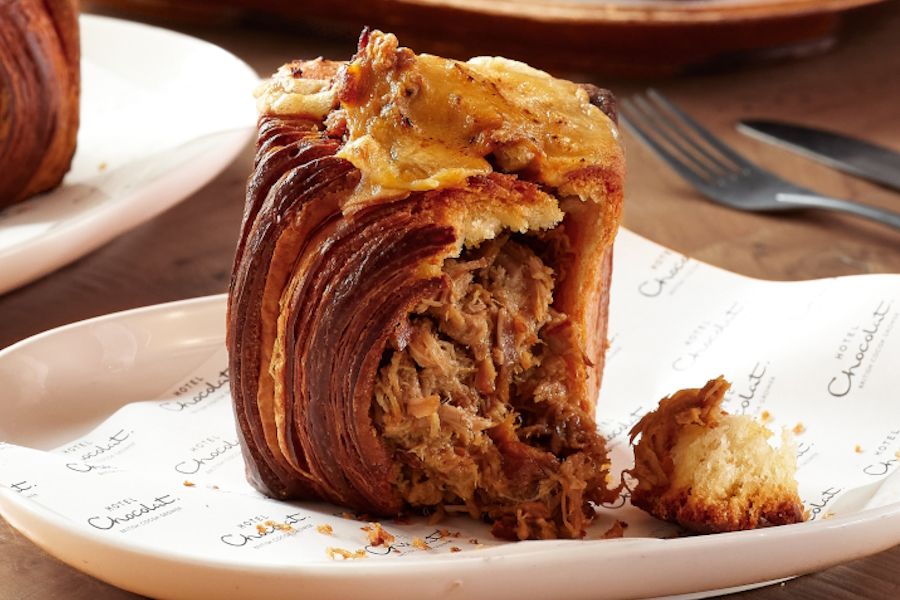
Rabot Original Savoury Pastries, Hotel Chocolat
Hotel Chocolat added eight sweet and savoury bakery items to its menu, including loaded brownie cups, Baton Chocolatine, and savoury pastries. The latter sees cubed pastries filled with a choice of four options – Caribbean Chicken Curry, Soufriere Spinach, Mushroom & Ricotta, Piton Pulled Pork in a béchamel sauce, or Cortés Goat’s Cheese & Caramelised Onion. Development chef David Demaison created the items based on dishes from the firm's restaurant at the Rabot Estate cacao farm on Saint Lucia.
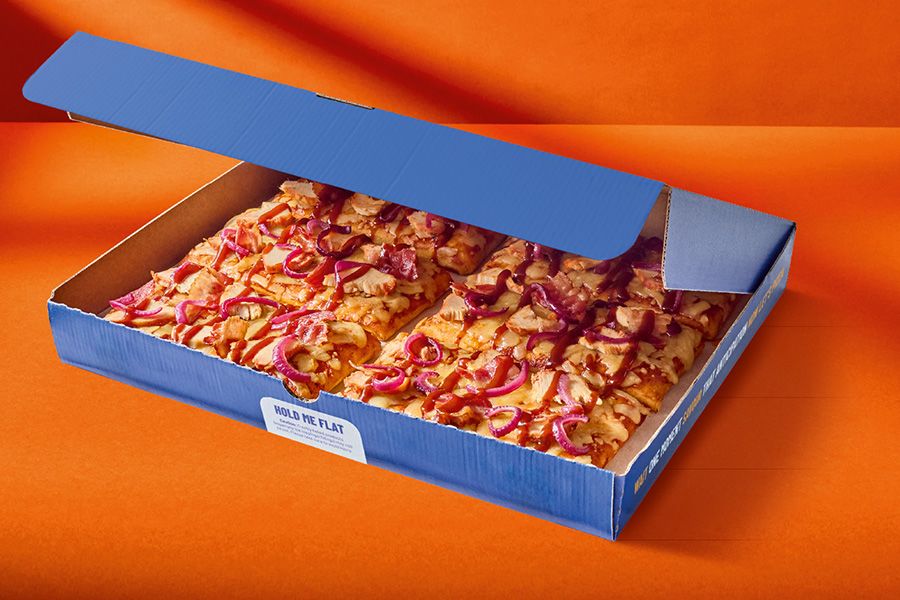
BBQ Chicken & Bacon Pizza, Greggs
Pizza is driving serious sales for Greggs as it looks to entice customers into the afternoon and early evening. Pizza boxes (four- or six-slice with options including Margherita, Pepperoni, and Spicy Mexican Chicken) as well as afternoon deals centring around the savoury snack are helping, alongside NPD. The food-to-go giant added a BBQ Chicken variant featuring chargrill chicken, sweetcure bacon, sliced red onion, cheese, tomato, and a BBQ sauce drizzle on a focaccia base.
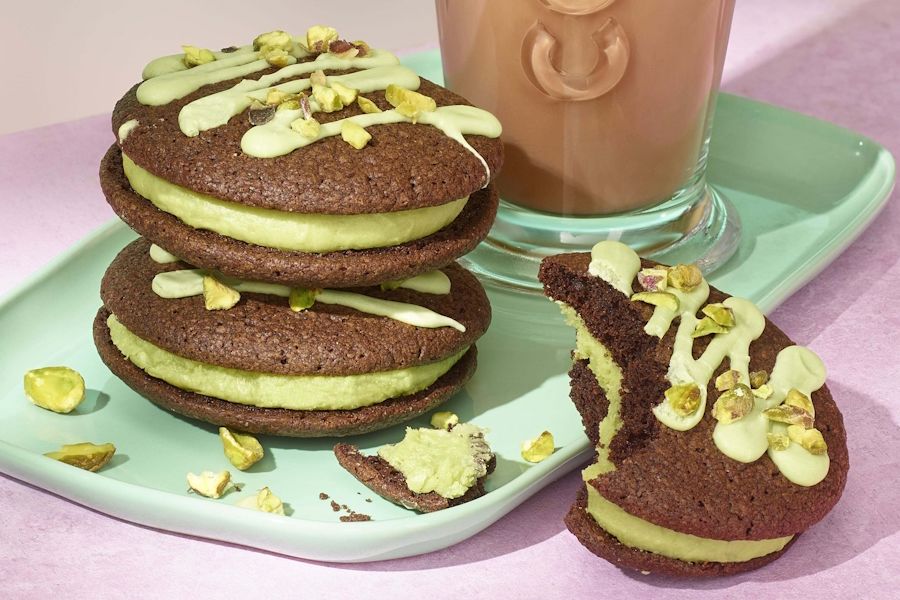
Chocolate & Pistachio Cookie Sandwich, Costa
Costa has hopped on the pistachio trend (which shows no sign of slowing down any time soon) as well as tapping into demand for bigger, better and more indulgent cookies with this innovation, which is part of its spring 2025 menu. It comprises rich dark chocolate cookies filled with creamy pistachio frosting and hand-finished with pistachio nuts. The vibrancy of the green pistachio stands out against the cookies.
Coffee nation


Wake up and smell the coffee
Coffee and baked goods are perfect bedfellows. After all, who doesn’t love a sweet treat with their caffeine hit. This natural pairing, however, does mean that the line between coffee shop and bakery continues to blur as coffee shops invest in their bakery offering and bakeries up their coffee game.
So, what are shoppers looking for when it comes to a beverage offer and how are operators adapting to meet these needs?
The good news, according to Costa Coffee’s Lattenomics report, is that coffee culture has largely weathered the storm of weakened consumer confidence and high inflation. This can be seen in the growth of coffee shops across the UK with the report, which was published in June 2024, revealing that the number of branded coffee shops grew by 353 to 10,199 over the year with researchers Allegra predicting that there will be over 11,600 coffee retail outlets by January 2029.
Lattes are the most popular beverage, notes Costa, with 66% of consumers ordering them, followed by cappuccinos at 44%, and flat whites at 34%. Notably, more than a third of consumers (36%) like to choose a particular type of milk for their drinks. Oat is now the third most popular option behind semi-skimmed and whole milk meaning plant-based milks are an important part of an offering.
Whether or not to charge for an alternative milk remains an important decision balancing inclusivity with increased costs. Gail’s was among the firms to face a backlash from animal rights charity Peta, which recently mounted a campaign urging it to drop the additional charge if consumers choose a plant-based milk over a dairy one. It added that the majority of other major chains – including Starbucks, Pret, Costa, and Caffè Nero – offer at least one dairy-free milk at no extra charge. Gail's has since confirmed there would be no surcharge for soya milk from 21 May 2025, although a fee of between 40p and 60p for oat milk would remain in place.
Speaking of costs, food-to-go giant Greggs is certainly giving the major chains a run for their money when it comes to coffee. A survey by Vouchers4real found that its hot drinks were, on average, cheaper than the coffee specialists.
Pricing data was taken from delivery service Uber Eats for 82 UK towns and cities to see how much the five businesses charge for a tea, americano, cappuccino, hot chocolate, mocha, and latte. The average price of a hot drink and the average price of each type of drink was then calculated. The research found that the average price of a hot drink at Greggs was £2.22 – 42% cheaper than the closest competitor, Caffè Nero, and nearly half the price (48% cheaper) than the most expensive which was Starbucks with an average price per hot drink of £4.28.
|
Coffee shop chain |
Tea |
Americano |
Cappuccino |
Hot chocolate |
Mocha |
Latte |
|
Greggs |
£1.55 |
£1.95 |
£2.45 |
£2.45 |
£2.45 |
£2.45 |
|
Caffè Nero |
£3.10 |
£3.51 |
£4.01 |
£4.20 |
£4.25 |
£4.01 |
|
Pret A Manger |
£3.30 |
£3.60 |
£4.05 |
£4.14 |
£4.14 |
£4.04 |
|
Costa |
£3.09 |
£3.70 |
£4.29 |
£4.40 |
£4.49 |
£4.30 |
|
Starbucks |
£3.34 |
£3.92 |
£4.40 |
£4.64 |
£4.98 |
£4.40 |
Source: Vouchers4Real
Compared to the likes of Costa and Starbucks, Greggs’ beverage menu is pretty streamlined. There is innovation, but the quantity of NPD is dwarfed by other firms who embrace all manner of syrups, toppings, and accompaniments to tap into trending flavours, changing seasons, and more.
There is an evolution at play, particularly for younger generations who are looking for something beyond a bog-standard latte or cappuccino.
“It's going to continue to be a challenging time for consumers and so I think people look for these more interesting and exciting products as a bit of escapism,” says Sandra Ferreira, beverage innovation director at Costa Coffee. “Limited editions, new flavours and innovative multi-sensory drinks will continue to fulfil this role for people, especially for those under the age of 35.”

A closer look at beverage NPD
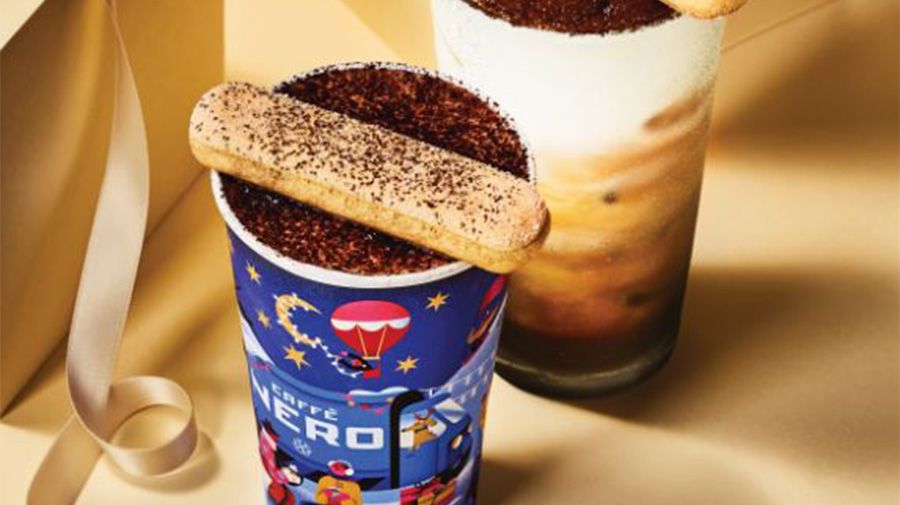
Tiramisu Latte,
Caffè Nero
Dubbed the showstopper of the festive season at Caffè Nero, this drink embraces the trend for all things tiramisu. Available in hot and iced variants, it sees thick creamy milk flavoured with Tiramisu syrup and chocolate, dusted with cocoa powder for an authentic tiramisu experience. It is also served with an Italian finger biscuit for dunking.
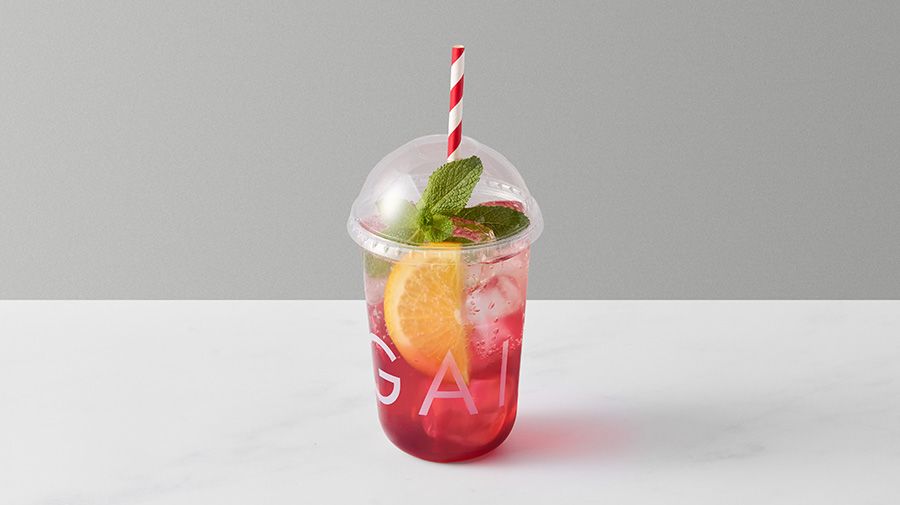
Hibiscus, Rhubarb & Orange Iced Tea, Gail’s
Seeking to offer something tea-based but refreshing, Gail’s added this alongside a Darjeeling, Elderflower & Sage Iced Tea last summer. The sparkling iced tea is made with cold-brewed Hibiscus tea with rhubarb and orange cordial from Norfolk Cordials and orange slices. Topped with soda water and served with fresh orange slices and mint.
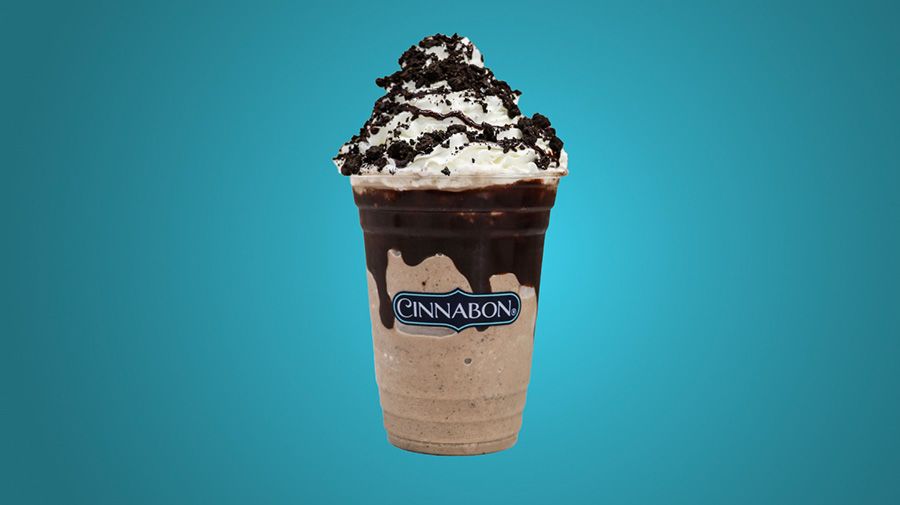
Oreo Chillatta, Cinnabon
Cinnabon is going for all out indulgence with this addition to its Chillatta range (a selection of frozen, blended drinks with flavours like cinnamon roll, strawberry, Lotus Biscoff, and caramel latte). The latest iteration is made with Oreo, drizzled with chocolate, then topped with cream and sprinkled with extra Oreo crumbs.
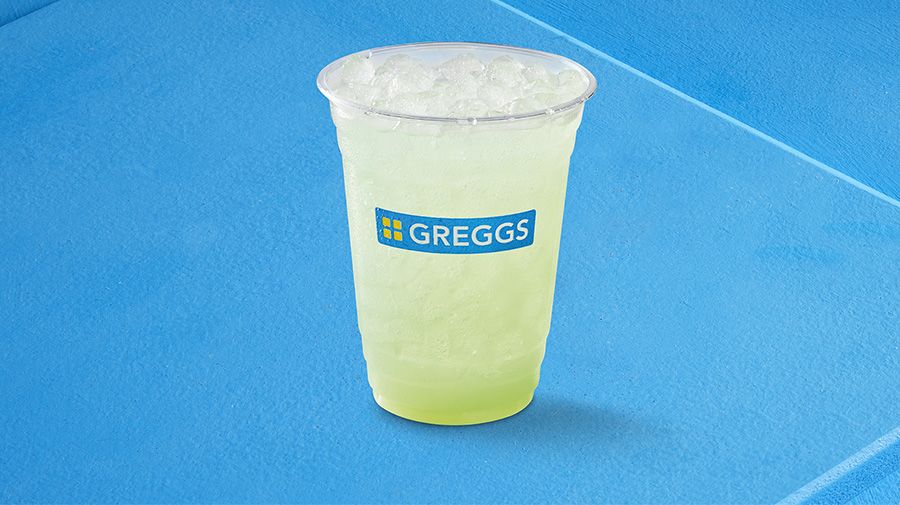
Mint Lemonade,
Greggs
Greggs has spruced up its iced drinks menu for spring 2025 with two new additions – a Peach Iced Tea and a Mint Lemonade. The latter sees a mint lemonade, made with sugar and sweetener, served over ice to deliver a zesty and refreshing drink.
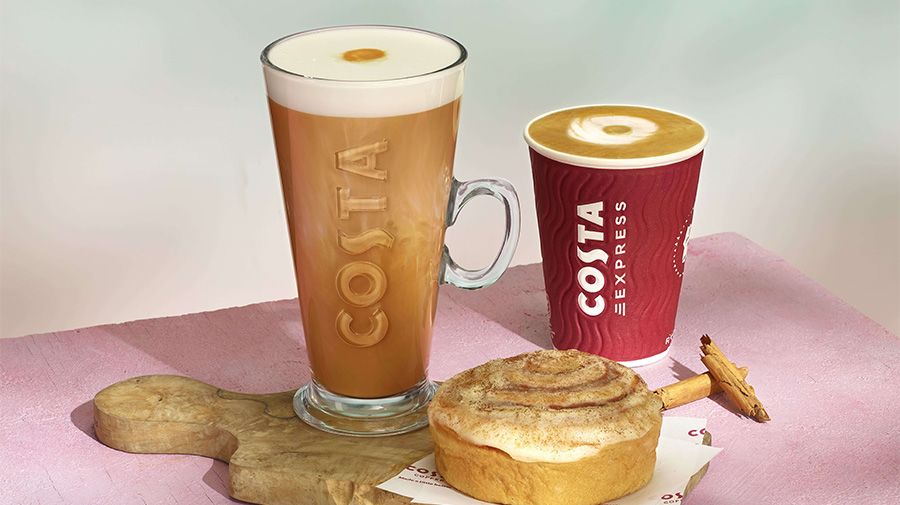
Cinnamon Bun Latte, Costa
Another bakery and coffee mash-up comes in the form of the Cinnamon Bun Latte from Costa which was added to its menu for 2025. It sees cinnamon bun flavoured syrup added to a hot or iced latte to create a spiced coffee delight.
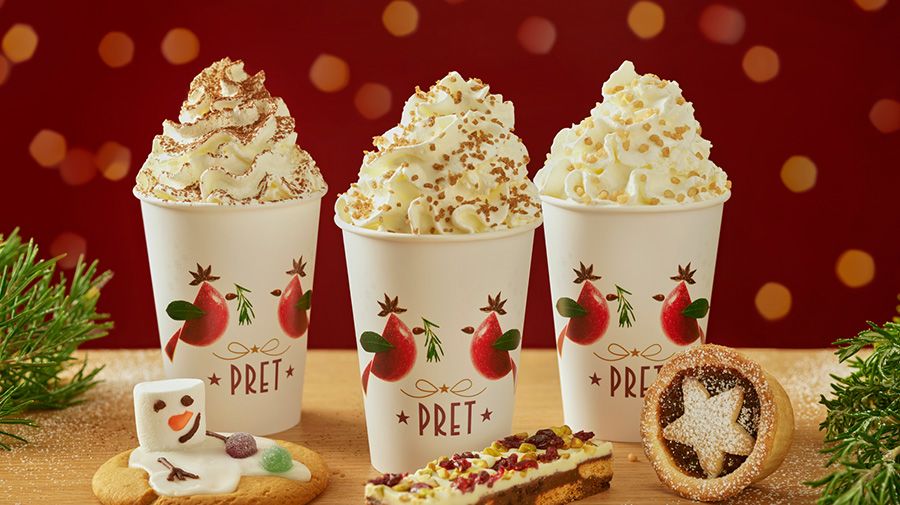
Festive Orange Hot Chocolate, Pret
Embracing the seasonal flavour of chocolate orange led Pret to roll out an improved version of its hot beverage. This iteration sees a rich and creamy blend of high-quality chocolate powder, festive spices, and orange flavour, topped with whipped cream.


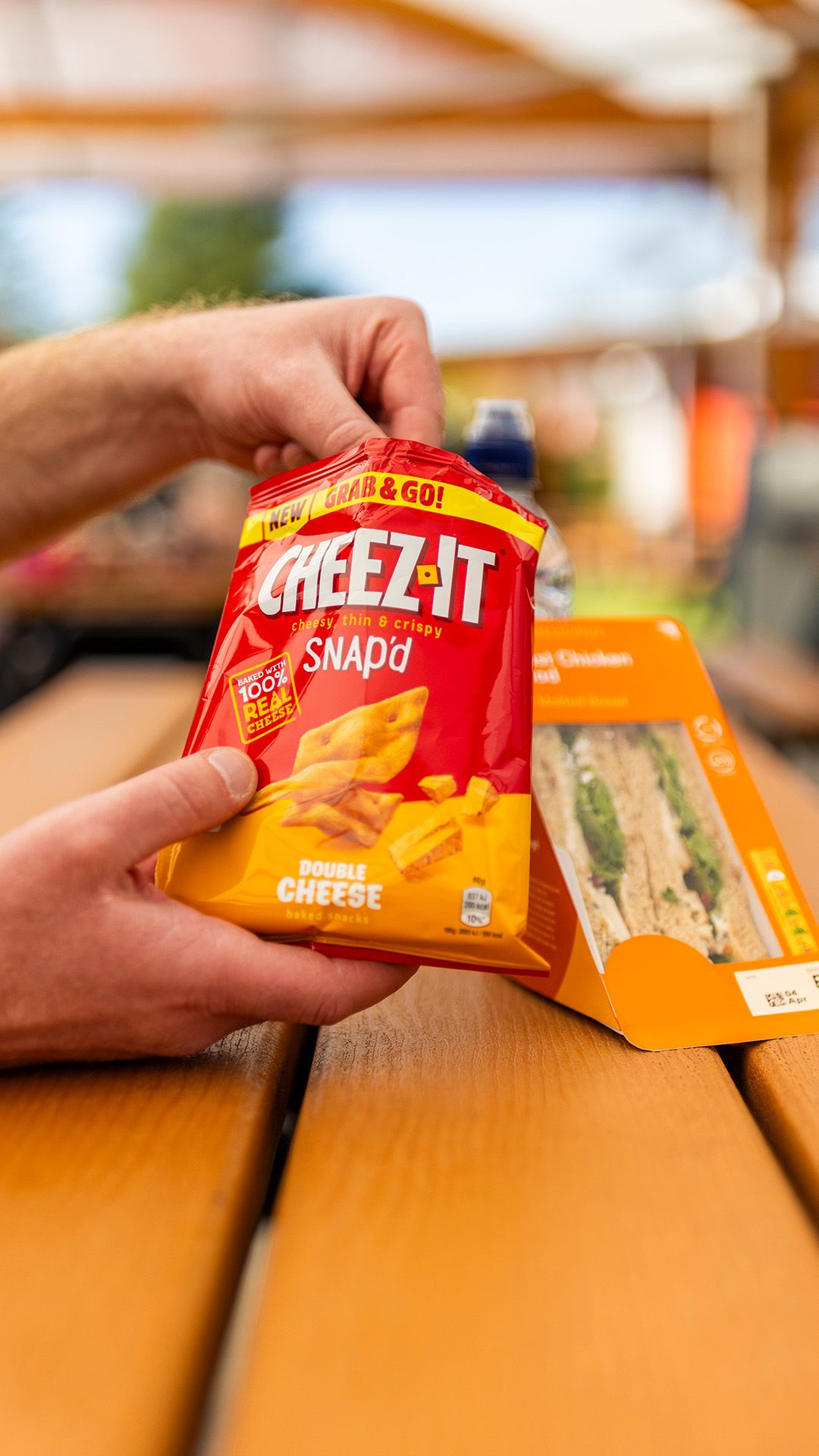
Tap into the snacking opportunity with Cheez-It
There’s never been a better time to up your snack game. Spend on snacks has increased by +9% YOY in out of home, with biscuits and salty snacks the top-performers, seeing a boost in value of +12% and +9% respectively[1].
Offering stand-out, quality snacking options to match your bakery’s freshly made sandwiches and baked goods is therefore a great way to capture additional revenue, both during the lunchtime rush and throughout the day.
One of the most exciting snacks on the scene right now, iconic US brand Cheez-It made its UK debut in June 2024. A $1 billion brand globally, the snack has reached an impressive £10.4million brand value[2] since launch, becoming the second biggest NPD in Singles of the last four years[3].
Founded on the belief that baking with 100% real cheese is a crucial component for its one-of-a-kind snack experience, Cheez-It boasts a proprietary method that delivers a uniquely thin and crispy bake, with the snack’s distinct curvy edges providing the perfect balance of crunchy texture and authentic cheesy taste in every bite.
The UK range includes two flavours – Cheese & Chilli and Double Cheese – and is available in 40g individual packs, ideal for elevating a weekday lunch or grabbing for an afternoon pick-me-up.
Don’t just take our word for it – trial Cheez-It today. Request your free case here.
[1] OOH panels, Q2 2024, Kantar Worldpanel
[1] Circana, All Outlets, Crisps, Value Sales, L26w w/e 28th Dec 24
[1] ibid



Rising above the baking challenges
Baked goods producers operate in a complex environment with significant challenges. Large industrial producers face volatile raw material prices and the need to maintain consistent quality at scale. Smaller, artisanal producers focus on preserving product uniqueness but struggle with rising ingredient costs and shortages of skilled labour. Both must navigate supply chain disruptions and the growing demand for healthier, gluten-free, or organic products, complicating sourcing and production.
Impact on business and profit margins
Fluctuating raw material costs, labour shortages, and inefficiencies can erode profitability. Small businesses may lack the resources to absorb cost increases or invest in technology, making it harder to remain competitive.
How Handtmann can help
Handtmann provides advanced solutions for product preparation, portioning, dough dividing, forming, and depositing, designed to improve efficiency for both large and small baked goods producers. By automating key processes, we help reduce labour requirements, increase production capacity, and ensure precise portioning and consistent quality. Our systems support a wide range of baked goods, including gluten-free and filled products.
Handtmann products & ROI
At the heart of what we do, our VF 800 series fillers ensure precise portioning across various doughs and batters. The TS 442-1 dough divider and DS 552 depositing system further optimise production while handling diverse fillings. Investing in Handtmann solutions leads to savings in labour costs, reduced waste, and increased efficiency. Most bakeries achieve a positive return on investment within 12 to 24 months, positioning them for future growth in an evolving market.



Unlock growth with speciality bread and sweet pastries
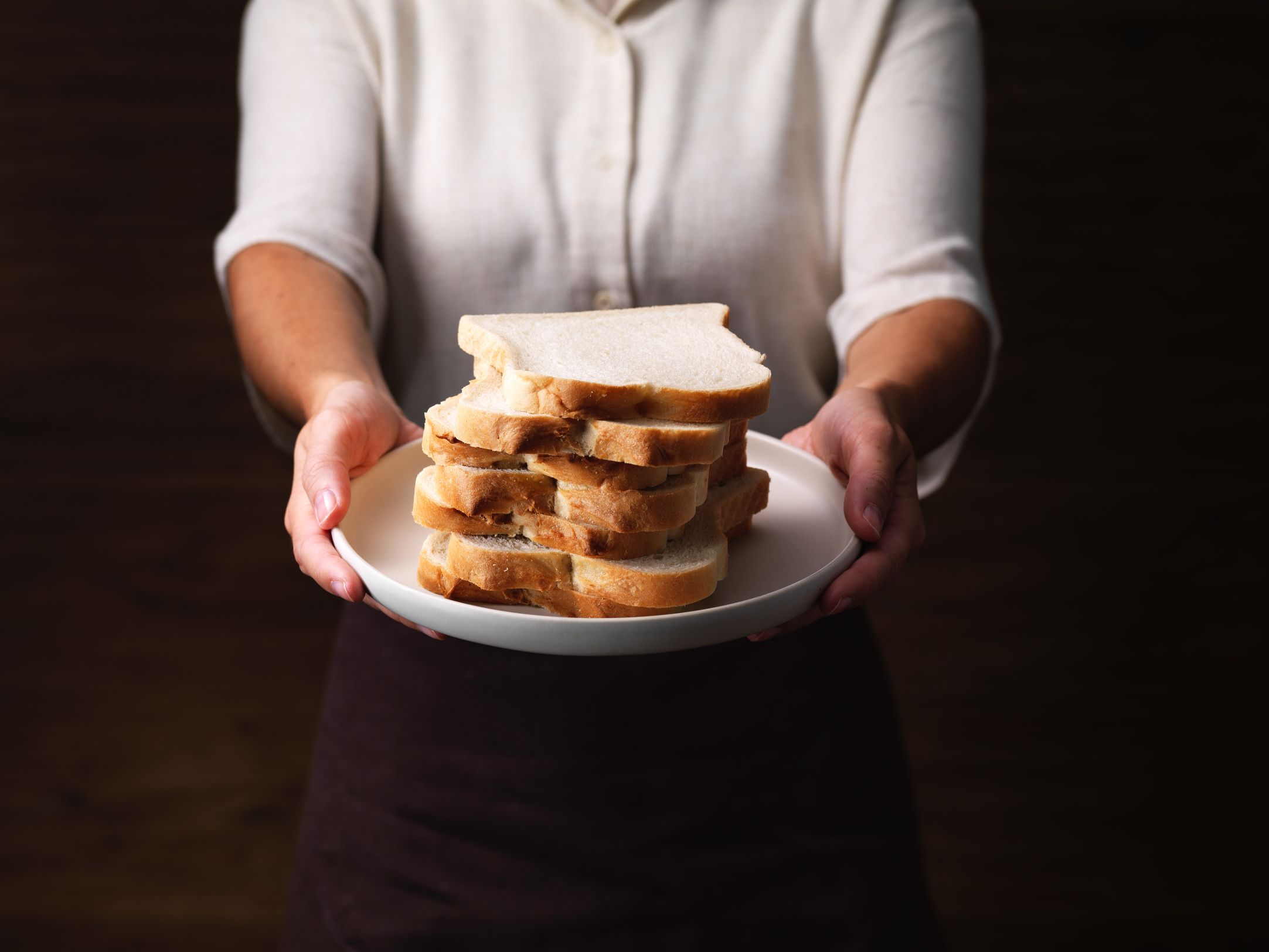
Speciality bread is a growing retail market, valued at £190 million and has grown 8% in the last year[1]. It is now purchased by 19.3% UK households[2] showing there is plenty more growth opportunities within the speciality bread market. Occasionality for this product has changed, from once a weekend or special treat, it is now being consumed regularly as part of everyday occasions. This has been driven by the wide variety of flavours, shapes and sizes available on the market.
Sweet ISB is also on a positive value growth trend of 1.7% YoY, with Danish Pastry growing ahead of the category at 6.3% YoY and valued at £131.5 million[3]. This is being driven by increased shopper frequency within retail Danish Pastry.
The bakery market is a dynamic and growing sector. Retail ranges are expanding, high street bakeries continue to innovate, and the consumer is more knowledgeable than ever. Quality ingredients, exciting flavours and value perception are the key to continue unlocking growth in bakery.
Investing in the future
The company continues to invest in quality and innovation in line with dynamic bakery trends. Lantmännen Unibake UK recently added a state-of-the-art Speciality Bread line to its Milton Keynes bakery. Following extensive research into Sweet Pastry, investments were made into chunky fruit-filling depositors for the bakery to enhance capability, allowing us to innovate by creating pastries with visible pieces of fruit and develop the market opportunity within the premium Danish Pastry. Staying ahead of changing consumer preferences, shopping habits and trends is vital for capitalising on market opportunities.
Lantmännen Unibake UK are specialists in frozen bakery, including Danish and French pastry, fast food breads, speciality breads, savoury and sweet treats across retail and foodservice. We are part of the Lantmännen Unibake group which operates 37 bakeries around the world.
Visit Lantmännen Unibake UK for more information.
[1] Circana 52 week to the 22nd March 2025
[2] Kantar 52 weeks to 23rd March 2025
[3] Kantar 52 weeks to 23rd March 2025



Technology to help your business thrive
In 2025, the baking industry faces a confluence of challenges, navigating rising costs, evolving consumer demands, and an increasingly complex regulatory landscape. The pinch points are clear—raw material prices remain volatile, energy costs fluctuate, and labour challenges persist. These pressures put profitability under strain, making efficiency and agility non-negotiable for bakery operators.
A critical challenge remains access to accurate, real-time supplier data. For both new product development (NPD) and compliance, bakeries need instant visibility into ingredient specifications, allergens, and sustainability credentials. Yet, traditional data collection methods—email chains, spreadsheets, and siloed systems—are too slow to keep up with regulatory and market changes.
ESG reporting adds another layer of complexity. As Scope 3 carbon emissions and deforestation regulations (like EUDR) take center stage, bakeries must ensure their entire supply chain aligns with sustainability commitments. But without the right tools, measuring, monitoring, and reporting on ESG performance and verifying this data is a monumental task.
To navigate these complexities, bakeries are increasingly turning to technological solutions. The integration of digital networks, AI, and big data analytics into operations is transforming how companies access and share critical data, enhance supply chain transparency, ensure regulatory compliance, and optimise operations. These brands are better positioned to thrive amid the industry's challenges.
Bakeries leveraging digital networks and AI-powered platforms, like TraceGains, are gaining a competitive edge. By automating data collection and supplier collaboration, they can accelerate NPD, ensure compliance, and identify cost-saving opportunities across their supply chain.
In a tough economic climate, efficiency is everything. The bakeries that embrace technology will be the ones that thrive in 2025 and beyond.

Brought to you by
In partnership with
